Symbolism in Art: how ancient myths influence modern jewelry design
Symbols speak across centuries not in words, but in emotion, archetype, and form. In both art and adornment, they allow us to express what is deeply human: love, fear, power, transformation. From the wings of Hermes to the stare of Medusa, mythology is not just a story of the past it is a living language, still etched into the jewelry we wear today. This article explores how ancient myths continue to shape the aesthetics and meaning of modern jewelry design.
The Power of Symbols: From ritual to ornament

Since the earliest civilizations, humans have adorned themselves with objects that carry meaning. Amulets to ward off evil, rings to seal loyalty, talismans to invoke the divine long before jewelry was luxury, it was language. In Ancient Egypt, scarabs and ankhs were worn not for decoration but for spiritual protection. In Mesopotamia, lions, bulls, and serpents were engraved into seals to symbolize power and legacy.
These symbols made the invisible visible. They were used in rites of passage, mourning, prayer, and love. Mythological figures were carved, cast, and carried not as mere ornament, but as connection. And though the materials have evolved, the impulse remains. Today’s jewelry still channels this primal instinct: to carry a story, to wear meaning.
The eternal presence of myths in modern design
Modern jewelry may be sleek, minimal, or avant-garde but its inspiration often reaches far into the past. Designers return to mythology not just for its aesthetic richness, but for its symbolic resonance. Myths are emotional blueprints. They speak of love that transcends death, of transformation through fire, of monsters who were once misunderstood women.
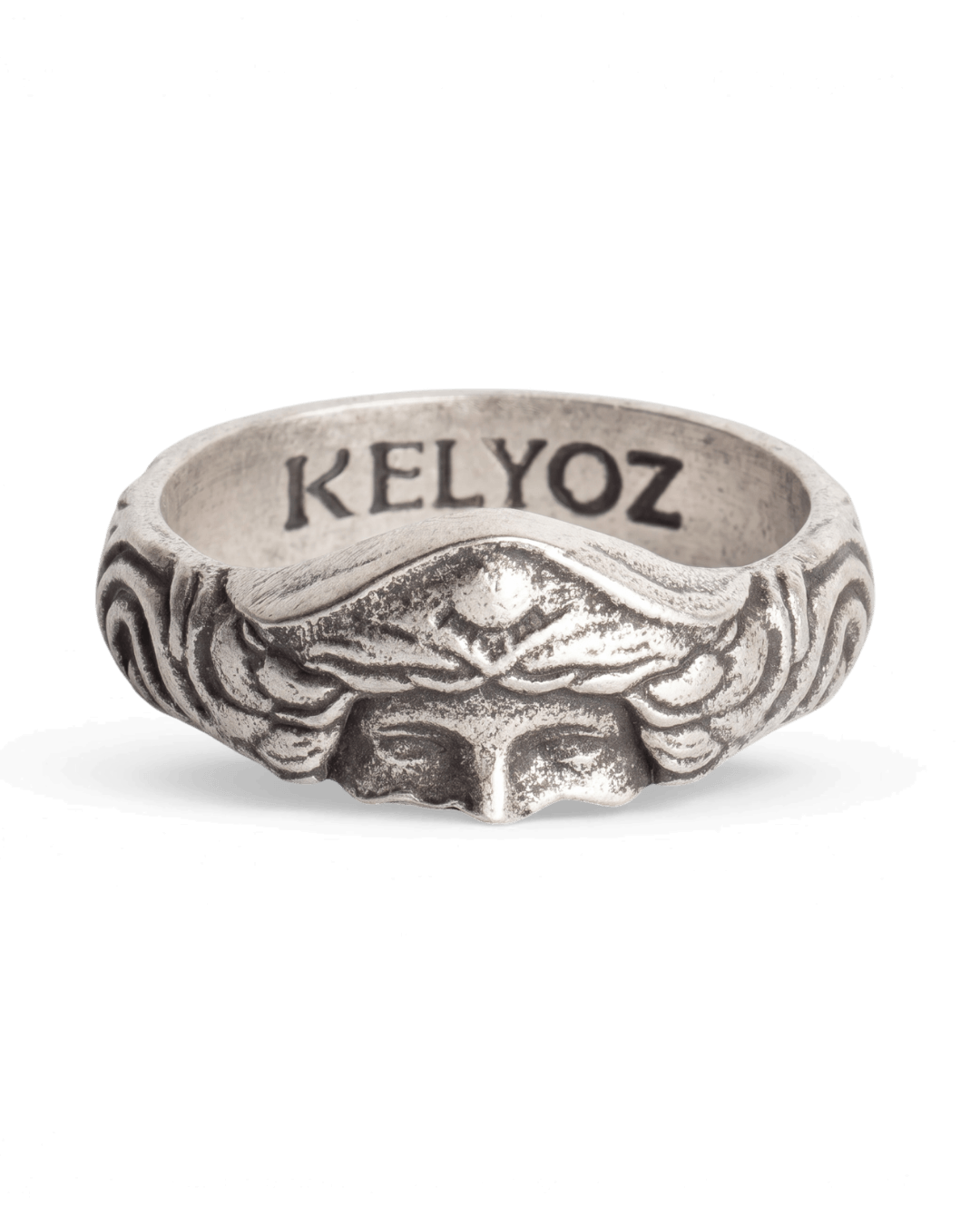
Take the example of Medusa: once feared, now reclaimed. Her face, once carved on shields, now graces bold pendants a reminder of feminine power, rage, and protection. Or the phoenix, a symbol of resilience and rebirth, reborn in rings and brooches to mark personal reinvention. The stories remain, but their interpretation evolves and the jewelry becomes a reflection not only of ancient truth, but of contemporary identity.
From myth to metal: how designers translate stories into form
Jewelry designers are storytellers in miniature. They sculpt, etch, and assemble fragments of narrative into forms you can wear not to simply recall a myth, but to reimagine it in personal, intimate ways.
Mythical forms reimagined
The curves of a serpent become a coiled bracelet. The wings of Icarus form the lines of a bold, open ring. Designers play with scale, material, and texture to capture not just the look of a legend, but its energy its emotion. These forms invite touch, reflection, and connection.
Symbolic stones and materials
Material choice becomes part of the myth. Pearls for purity and the moon. Garnets for passion and protection. Onyx for mourning and transformation. Designers often select stones and metals that amplify the symbolic intention making each piece a kind of talismanic architecture, charged with purpose.
Modern interpretations of ancient archetypes
It’s not about copying antiquity it’s about translating its essence. Jewelry inspired by Athena may not show her helmet, but might reflect her wisdom in geometric precision. Pieces invoking Hades might lean into shadow, mystery, or depth. The myth becomes an inspiration and the piece becomes an extension of the wearer’s own narrative.
Why mythology still matters in personal adornment

In a fast-paced, digital age, the enduring appeal of mythology is its slowness its anchoring in deep time, archetypal emotion, and universal human themes. Jewelry that draws from myth doesn’t follow trends it transcends them. It connects us to ancient truths and personal dreams, all at once.
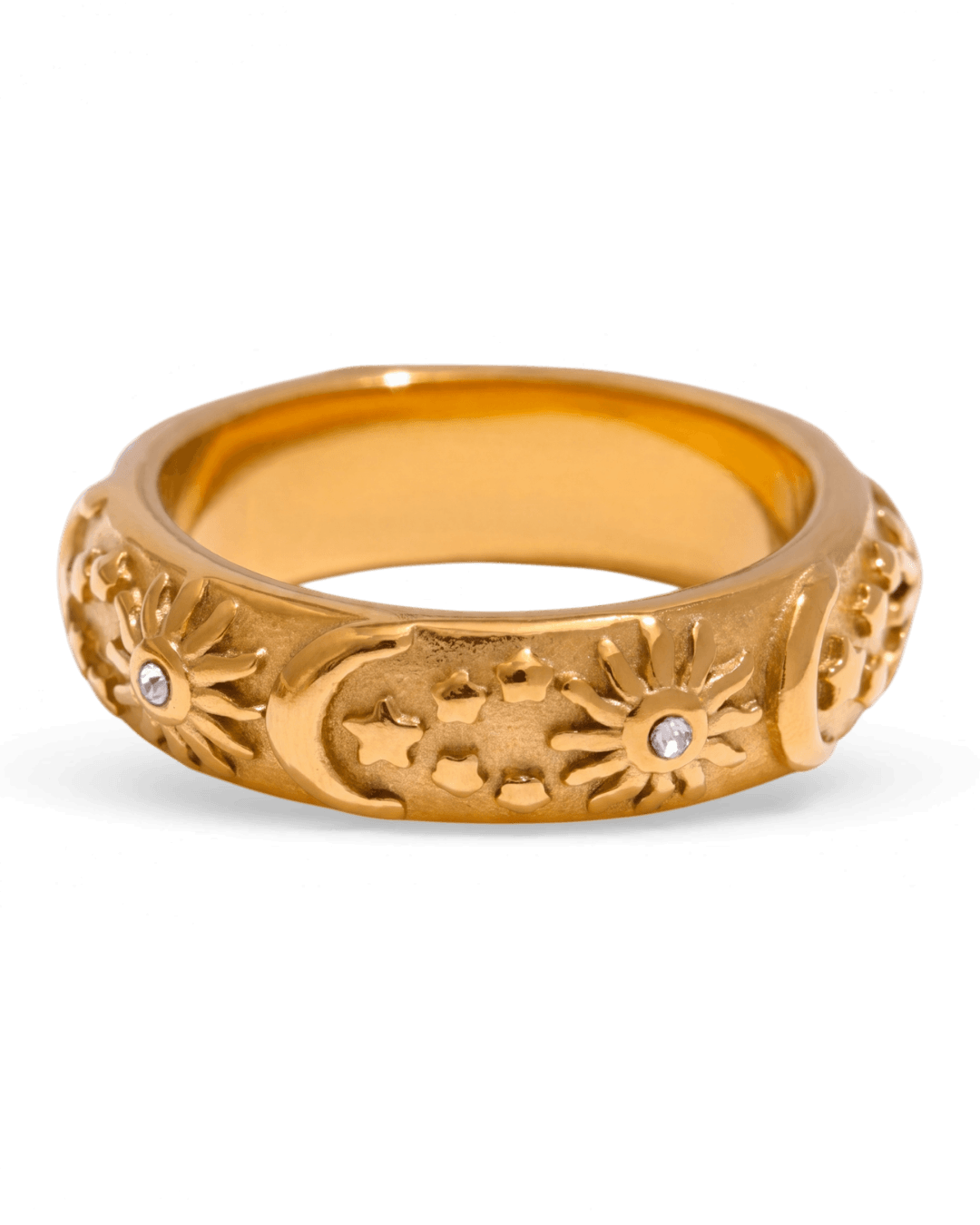
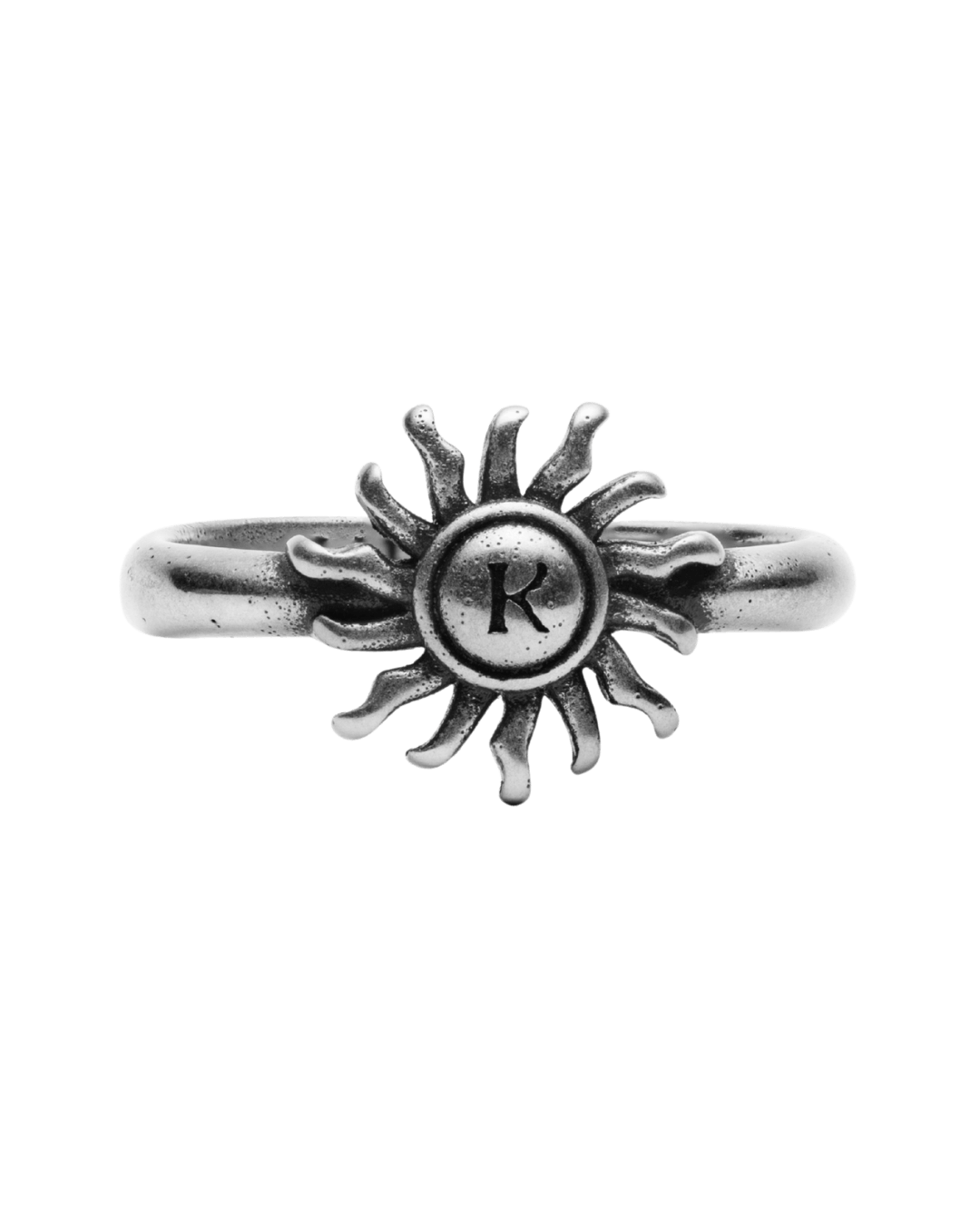
To wear a myth is to wear a mirror: a piece that reflects part of who you are, or who you wish to become. It may be subtle a serpent ring, a sunburst earring, a goddess silhouette but its meaning is powerful. Jewelry becomes a quiet declaration: “I carry my story with me.”
Wear your Myth, live your story
Ancient symbols from the coiled serpent of rebirth to the soaring phoenix of renewal carry stories that transcend time. When they’re rendered in metal and stone, these myths become intimate statements of identity, reminding us of our deepest hopes, strengths, and transformations. Each design bridges past and present, turning legendary narratives into personal talismans that whisper of power, protection, and possibility every time you wear them.
Ready to make these stories your own? Discover how Kelyoz transforms timeless myths into wearable art when you explore our Mythos Collection. Choose the piece that speaks to your journey and carry your legend with you every day, everywhere.
Conclusion
Myths do not fade they evolve. In the hands of today’s artists and designers, they shift from stone and scroll to silver and gold. They wrap around wrists, hang close to hearts, rest against skin not only as memory, but as presence. In every symbol, there is a whisper of something older, wiser, and still alive. Jewelry, then, becomes more than beauty. It becomes myth made personal a way to live the stories that shaped us, and to wear the meanings that move us.
Explore the collection