
Goddesses in mythology: symbols of strength, beauty, and independence
Across time and cultures, goddesses have represented the many facets of femininity — from fierce warriors and wise protectors to nurturing creators and seductive muses. Whether worshipped in ancient temples or reimagined in contemporary art, these divine figures embody a unique blend of strength, beauty, and independence. But beyond myth, what do these symbols truly mean today? This article explores the powerful legacy of mythological goddesses and how their spirit lives on in jewelry, fashion, and the way we express identity.
The role of goddesses in ancient cultures

In ancient mythologies, goddesses were not confined to narrow roles or stereotypes. They embodied a wide spectrum of traits wisdom, love, power, rage, healing, and more—often blending what seemed like contradictions into a coherent whole.
Wisdom and love
In Greek mythology, goddesses often represented intellectual and emotional forces in equal measure. Athena, the goddess of wisdom and strategic warfare, was armored and brilliant, symbolizing logic, clarity, and leadership. Her presence in myth offered a model of intellect paired with moral rigor, someone who could lead armies and offer counsel with the same calm authority.
On the other side of the spectrum stood Aphrodite, goddess of love, beauty, and desire. But she was never merely a symbol of romance. Her allure was powerful and deliberate, her independence unmistakable. Aphrodite taught that love could be both enchanting and commanding, that beauty could inspire both longing and fear. Together, Athena and Aphrodite challenged any idea that women or goddesses could be only one thing.
Power and protection
Across cultures, goddesses were often protectors, warriors, and guardians. In Ancient Egypt, Isis reigned as the goddess of magic, motherhood, and healing. She famously resurrected her slain husband Osiris, a story that made her a symbol of resurrection, eternal love, and the protective power of the feminine. She was maternal, yes but also deeply mystical and immensely powerful.
In Hindu mythology, goddesses like Durga and Kali defied any passive image of femininity. Durga rode into battle on a lion, wielding celestial weapons with divine calm. She was the embodiment of strength, righteousness, and the fierce protection of what is good. Kali, darker and more primal, represented destruction, time, and rebirth. Her image tongue out, garlanded with skulls was terrifying to some, but sacred to many. She showed that divine power includes the right to destroy, to end, and to begin anew.
Duality and Divinity
What made these goddesses so enduring was their capacity to hold opposites within them. They were at once nurturing and ruthless, serene and wild, divine and unmistakably human. These figures were not worshipped simply for what they did, but for what they represented: the full, unapologetic spectrum of the feminine experience.
More than symbols, they were stories in motion ritualized, remembered, and revered. Through them, ancient cultures gave voice to the sacred mysteries of life: creation, love, war, death, and rebirth. They inspired not only awe, but also reflection. In their presence, societies could imagine womanhood not as a fixed role, but as a dynamic, divine force.
Independence as legacy and inspiration

Perhaps the most radical aspect of mythological goddesses is their independence. They were never defined by their relationship to men. Artemis, goddess of the hunt, roamed wild forests with freedom and intention. Persephone, once a victim, became queen of the underworld. These narratives matter they offer frameworks for autonomy, choice, and reinvention.
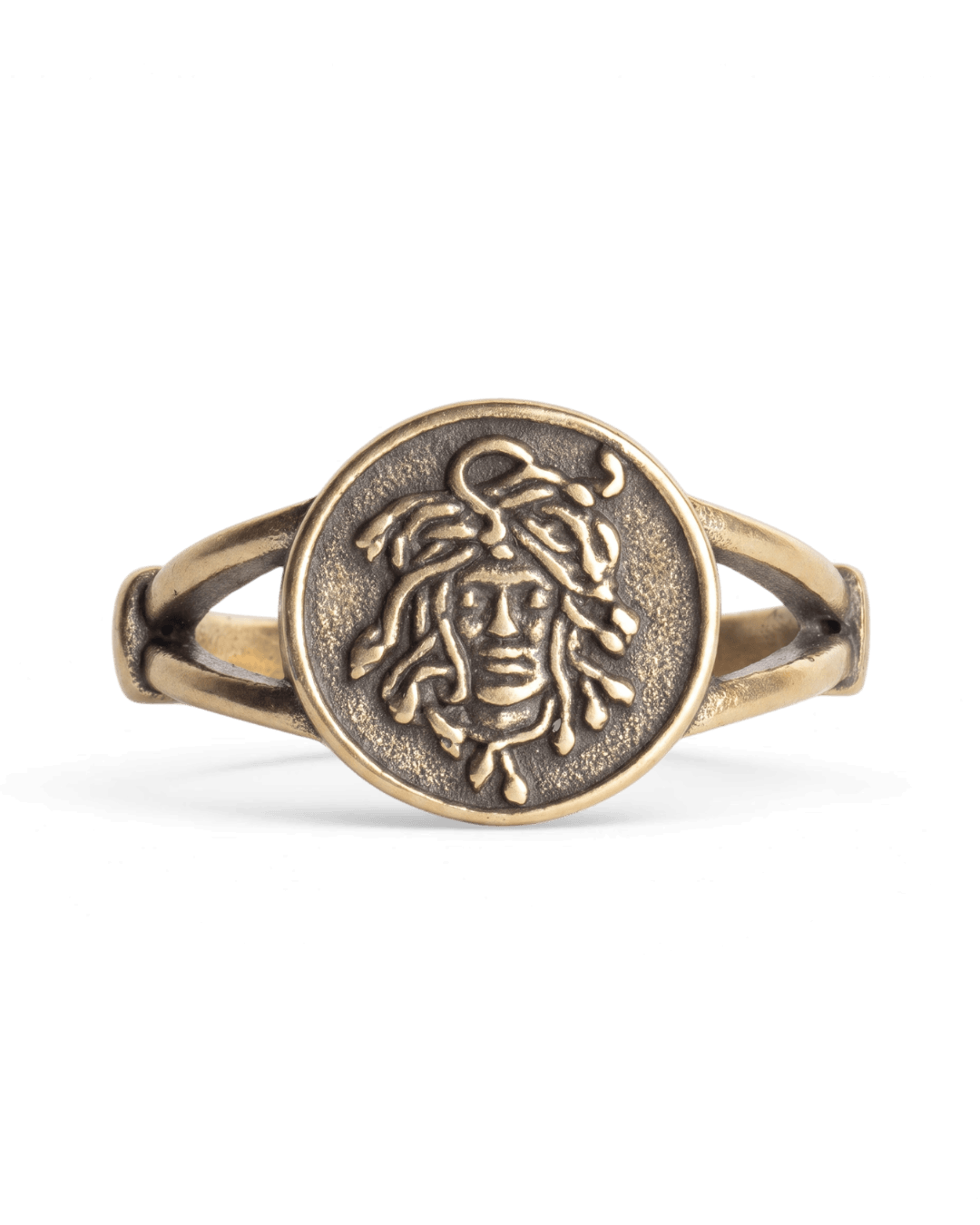
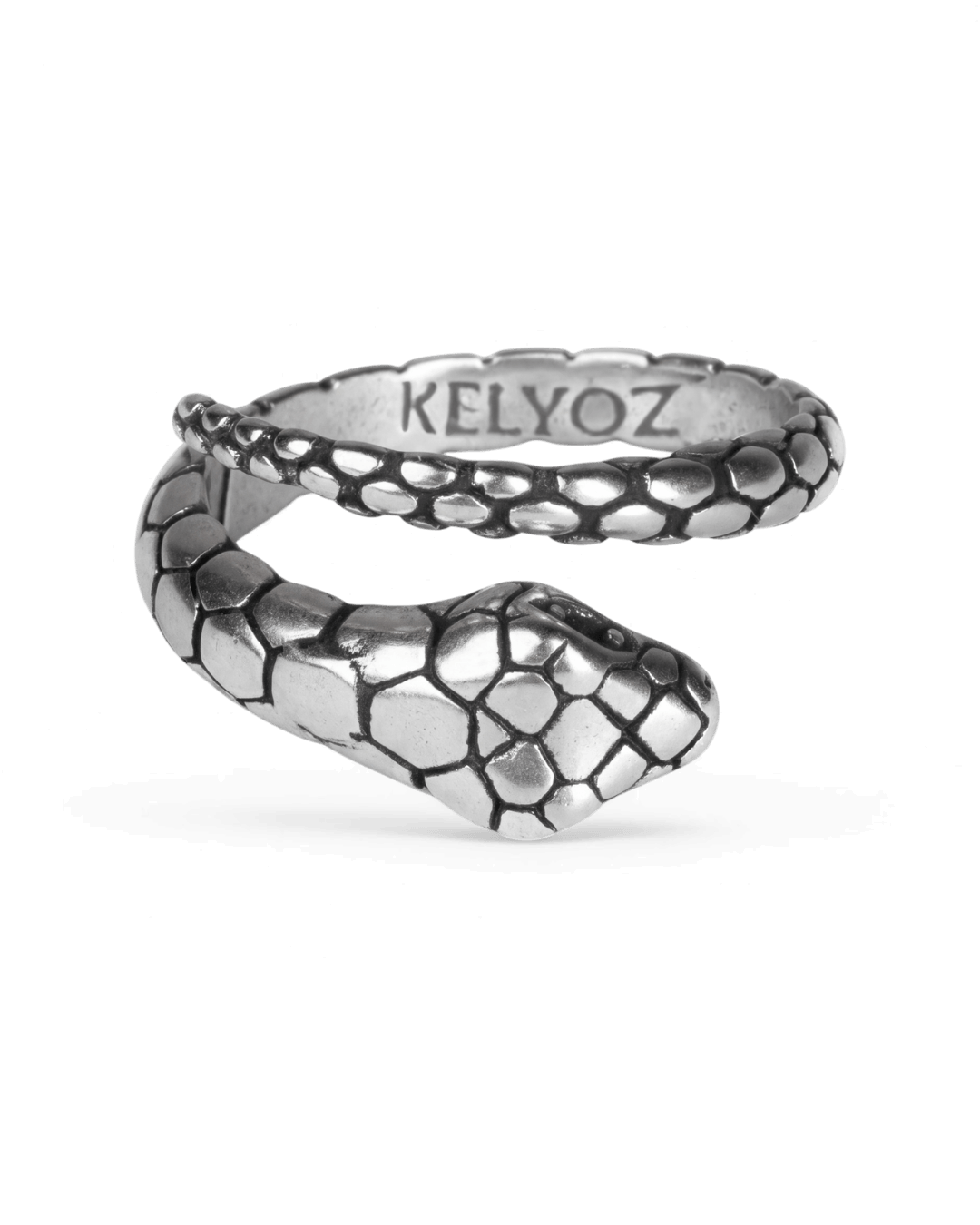
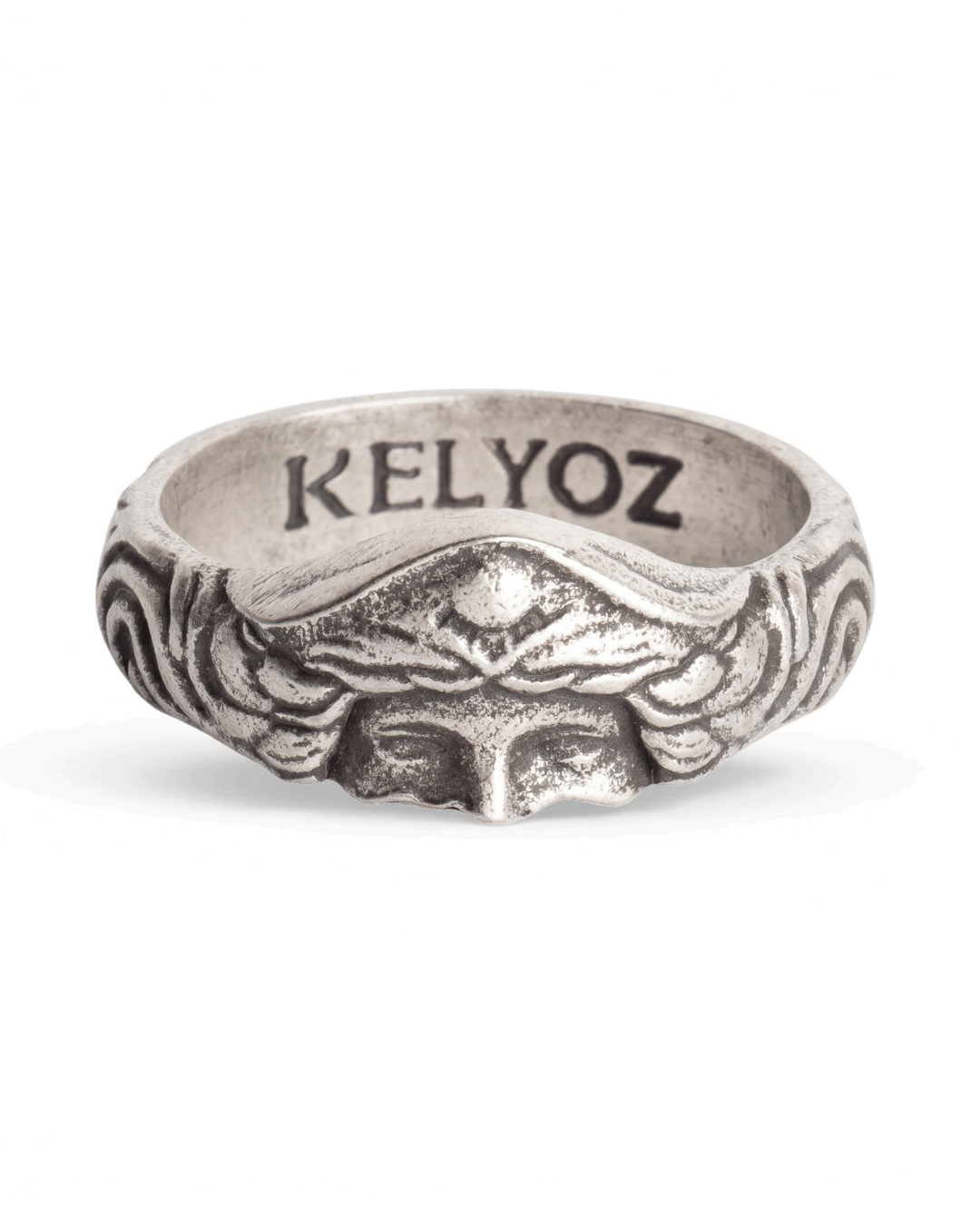
In fashion and jewelry, such independence is often reflected through personalized designs wearable totems that symbolize self-sovereignty, healing, and intention. Whether it’s a pendant shaped like a goddess figure or a ring inscribed with lunar phases, these creations remind the wearer of their own journey and personal mythology.
Embrace Your Inner Goddess
Throughout this exploration of mythic goddesses from Athena’s strategic wisdom and Durga’s serene ferocity to Isis’s nurturing devotion and Kali’s transformative power we’ve witnessed how symbols of strength, beauty, and independence have transcended time. These divine archetypes invite us to reclaim our own narratives, where resilience and grace coexist.
You’ve journeyed through tales of ancient power and modern reinterpretation, now take a step toward bringing these stories to life. Celebrate divine femininity with Kelyoz’s myth-inspired pieces and let your own narrative shine through. If you’re inspired by the fearless independence of Artemis, the radiant abundance of Lakshmi, or the transformative energy of Kali, discover how Kelyoz captured this spirit in our Divine Artemis Necklace. Visit our shop to find the piece that speaks to your inner goddess, crafted to honor your unique spirit, and transform every moment into a quiet invocation of strength, beauty, and grace.
Conclusion
Goddesses from myth continue to shape the way we understand femininity as a force that is fluid, fierce, and beautiful. They remind us that power does not have to shout, and that grace can coexist with strength. In the art of adornment, their spirit lives on not as distant figures of legend, but as timeless symbols we carry close to the skin. Whether drawn to a story, a symbol, or a sacred energy, wearing goddess-inspired jewelry is more than style it's a quiet invocation of the divine within.